
Popular Solutions For Smooth Popcorn Ceiling Removal Projects
Explore trusted products that help achieve a clean finish with minimal mess during your popcorn ceiling removal process.
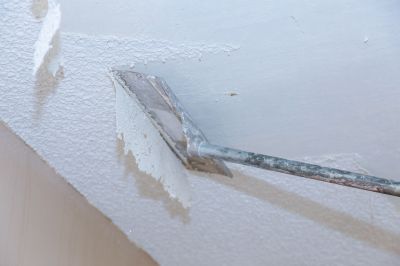 Removing popcorn ceilings can be a manageable project with the right tools and materials. The process typically involves carefully scraping the textured surface, which may contain materials like asbestos if the ceiling is older. Proper preparation, including covering furniture and flooring, is essential to minimize mess and protect your space. Once the popcorn texture is removed, the ceiling surface often requires smoothing and priming before applying a new finish or paint. Using appropriate products ensures safety and efficiency during the removal process.
Top Overall Option
Multi-Purpose Ceiling Scraper Kit
A versatile scraper kit designed specifically for popcorn ceiling removal, featuring ergonomic handles, adjustable blades, and a spray bottle for moistening textured surfaces. This all-in-one set provides the essential tools needed for efficient and safer removal, suitable for various ceiling types and textures.
Types of Products For Popcorn Ceiling Removals
Manual Ceiling Scrapers
Handheld tools with replaceable blades for precise scraping of popcorn textures, ideal for small areas or detailed work.
Spray Bottles and Moistening Solutions
Products designed to soften textured ceilings, making scraping easier and reducing dust.
Heavy-Duty Power Scrapers
Electric or pneumatic tools that assist in removing large sections of textured ceiling efficiently, suitable for extensive projects.
Protective Gear Sets
Complete sets including masks, goggles, and coveralls to ensure safety during removal.
Asbestos Testing Kits
Test kits to identify hazardous materials in older popcorn ceilings before removal begins.
Ceiling Patch and Repair Products
Patches, joint compounds, and sanding tools for smoothing and repairing ceilings after removal.
Drywall Finishing Products
Skim coats and primers to create a smooth surface ready for painting post-removal.
Dust Containment Products
Plastic sheeting and tape to contain debris and minimize dust spread during removal.
Heat Guns
Tools used to soften textured surfaces, aiding in easier removal and reducing physical effort.
Paint and Primer
Finishing products to refresh the ceiling surface after removal, providing a clean, updated look.
Popular Choices
A widely used manual scraper with replaceable blades suitable for various textured surfaces.
Popular for softening popcorn textures, making removal less labor-intensive.
A powered tool appreciated for large-area projects, reducing manual effort.
Essential safety gear commonly used during popcorn ceiling removal to protect against dust and debris.
Important for older ceilings, these kits are frequently chosen to ensure safety before removal.
Popular for smoothing out imperfections after popcorn removal.
Commonly used to prepare ceilings for a fresh coat of paint after removal.
Widely used to contain debris and dust during removal projects.
Favored for easing removal of stubborn popcorn textures with heat.
Popular finishing products for updating the look after removal.
Choosing suitable tools is critical for a successful popcorn ceiling removal. Scrapers with ergonomic handles, spray bottles for moistening the texture, and protective gear such as goggles and masks help make the task safer and more effective. For ceilings with stubborn textures, specialized removal products can loosen the material, reducing the amount of physical effort needed. Whether tackling a small area or a large room, selecting the right combination of products can streamline the project.
After removal, many homeowners opt to update their ceilings with new finishes, such as smooth drywall or modern textured surfaces. Properly prepared surfaces improve adhesion and final appearance. For those considering a DIY approach, understanding the different product options and techniques is key to achieving a professional-looking result. It is also advisable to consult local regulations if the ceiling material might contain hazardous substances, ensuring all safety guidelines are followed.
Investing in quality removal products and accessories can make the entire process more manageable and less messy. From spray solutions to scrapers and protective gear, the right tools can help you achieve a cleaner, more polished ceiling surface. Whether you are removing popcorn ceilings for aesthetic reasons or to address underlying issues, selecting the appropriate products is the first step toward a successful renovation.
Key Buying Considerations
- Assess whether the ceiling may contain hazardous materials like asbestos, especially in older homes.
- Choose tools that match the size of your project, from small hand scrapers to electric power tools.
- Opt for products with ergonomic designs to reduce fatigue during extended use.
- Ensure safety gear is included or readily available to protect against dust and debris.
- Select moistening solutions that are compatible with your ceiling material to facilitate easier removal.
- Consider the availability of replacement blades or parts for long-term use of your tools.
- Evaluate the ease of cleaning and maintenance for power tools and scrapers.
- Look for dust containment options to minimize mess and airborne particles.
- Determine if additional repair or finishing products are needed post-removal for a seamless finish.
- Read product reviews to gauge effectiveness and user satisfaction.
- Check for compatibility with existing ceiling materials or textures.
- Review safety warnings and instructions, especially when handling hazardous materials.
- Estimate the scope of your project to select appropriately sized and powered tools.
- Consider budget constraints while balancing quality and functionality.
- Think about the final look you want to achieve after removal to select suitable finishing products.